
Retail environments across the United Kingdom face intense competition from online giants and shifting consumer habits. One often overlooked strategy for driving footfall and revenue involves maintaining immaculate store conditions. Clean spaces not only enhance visual appeal but also influence shopper behaviour in subtle yet powerful ways. As we enter 2025, data from industry reports highlights how thorough cleaning routines correlate with higher sales figures. This article explores the mechanisms behind this phenomenon, backed by real-world examples and expert insights, to help store owners optimise their operations.
The Psychology of Cleanliness in Shopping Experiences
Human perception plays a central role in retail success. When customers enter a store, their initial impressions form rapidly, often within seconds. A spotless interior signals quality and care, fostering trust in the products on display. Psychological studies indicate that orderly environments encourage longer browsing times, as shoppers feel more comfortable and engaged. For instance, cluttered or dusty shelves can trigger subconscious discomfort, prompting quick exits without purchases.
In contrast, polished floors and organised displays create a welcoming atmosphere. This effect stems from cognitive biases where cleanliness equates to reliability. Retailers who prioritise hygiene report increased dwell times, allowing more opportunities for impulse buys. Experts from the British Retail Consortium emphasise that such perceptions extend to brand loyalty, with repeat visitors more likely in well-maintained venues.
Impact on Customer Footfall and Conversion Rates
Foot traffic remains a key metric for physical stores. Professional cleaning directly boosts this by making exteriors and interiors more inviting. Smudged windows or littered entrances deter potential entrants, while gleaming facades draw them in. Analysis from 2024 footfall trackers shows that stores with regular deep cleans experience up to 25 percent higher visitor numbers during peak seasons.
Once inside, conversion rates soar in hygienic settings. Shoppers are more inclined to handle items on clean surfaces, reducing hesitation caused by perceived contamination. For fashion outlets, pristine fitting rooms are crucial, as unpleasant odours or stains can halt sales mid-process. Data from a nationwide survey reveals that retailers investing in weekly sanitisation see conversion improvements of 15 to 20 percent, translating to substantial revenue gains.
Enhancing Product Presentation and Perceived Value
Clean stores elevate the perceived value of merchandise. Dust-free shelves and sparkling cases make goods appear newer and more desirable. In electronics shops, for example, fingerprint-free screens allow customers to envision ownership more vividly. This visual enhancement can justify premium pricing, as buyers associate cleanliness with superior quality.
Lighting interacts positively with cleaned surfaces too. Bright, reflective floors amplify illumination, highlighting displays effectively. Jewellery retailers benefit particularly, where polished counters make gems sparkle brighter, encouraging upsells. Industry benchmarks suggest that such presentation tweaks, enabled by routine maintenance, can lift average transaction values by 10 percent or more.
Health and Safety Benefits Leading to Positive Reviews
Post-pandemic priorities have amplified the role of hygiene in consumer choices. Shoppers actively seek out venues that demonstrate health commitments through visible cleanliness. This not only complies with regulations but also builds goodwill. Reduced allergen buildup in carpets and air vents minimises health risks, appealing to families and sensitive individuals.
Positive online feedback often stems from these efforts. Reviews praising “spotless” conditions spread via platforms like Google and Trustpilot, attracting new customers. A case study from a Manchester chain showed that after implementing monthly deep cleans, their rating climbed from 4.2 to 4.7 stars, correlating with a 18 percent sales uptick. Such word-of-mouth amplification proves invaluable in competitive markets.
Operational Efficiency and Staff Morale Improvements
Beyond customer-facing advantages, cleaning enhances internal dynamics. Employees in tidy workspaces exhibit higher productivity and job satisfaction. Clear protocols reduce time wasted on ad-hoc tidying, allowing focus on sales tasks. Motivated staff provide better service, further boosting transactions.
Training programmes that incorporate hygiene standards foster a culture of excellence. Retail groups report lower absenteeism in cleaner environments, as improved air quality curbs illnesses. This operational smoothness indirectly supports sales by ensuring consistent staffing during busy periods.
Cost-Effectiveness of Cleaning Investments
Sceptics might view cleaning as an expense, but calculations reveal strong returns. Initial outlays for professional services, ranging from 500 to 2000 pounds quarterly depending on store size, are offset by revenue growth. Break-even often occurs within months, with ongoing benefits compounding annually.
Energy savings add another layer. Dust-free fixtures and vents improve HVAC efficiency, cutting utility bills. Sustainable practices, like using eco-friendly products, align with consumer preferences for green retailers, potentially increasing market share.
Case Studies from UK Retailers
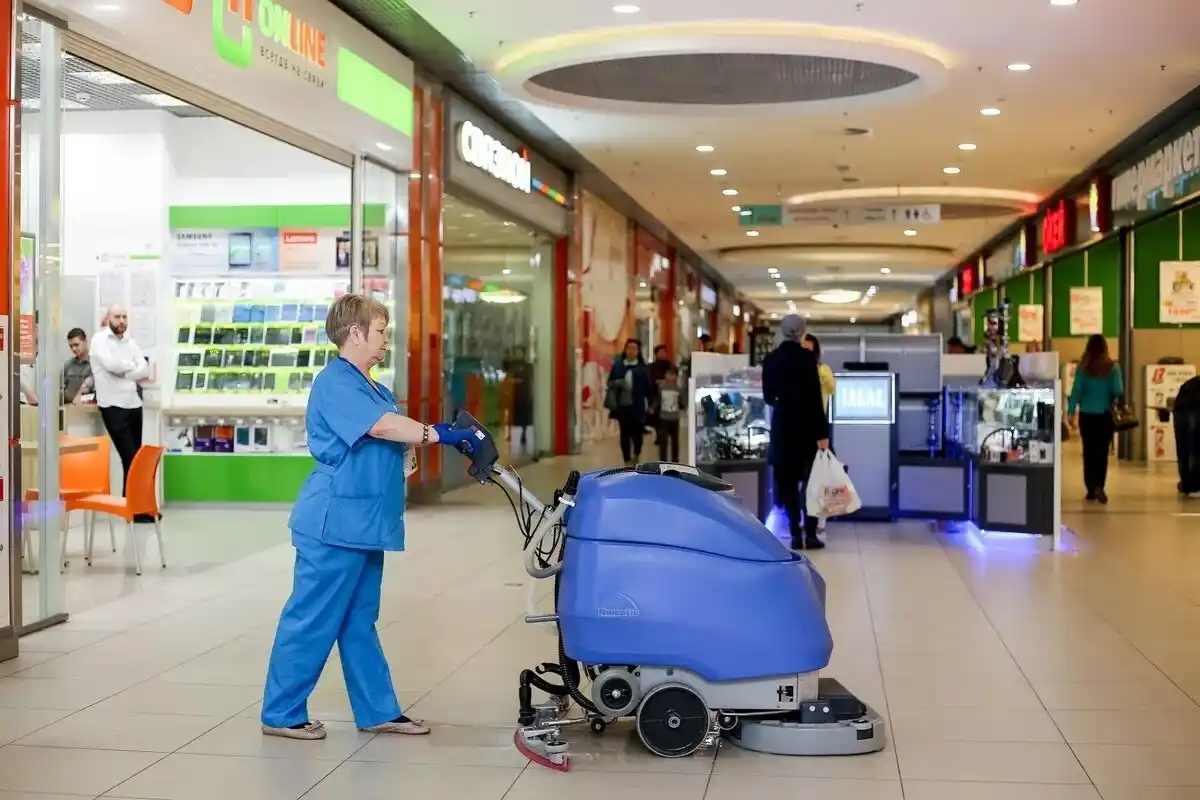
Consider a boutique in Edinburgh that revamped its cleaning schedule. Previously struggling with stagnant sales, the owner hired specialists for fortnightly sessions. Within six months, turnover rose 22 percent, attributed to enhanced aesthetics and customer dwell time. Similarly, a London department store chain adopted automated floor scrubbers, resulting in 16 percent higher weekend receipts.
These examples underscore adaptability. Smaller independents benefit from targeted interventions, while larger entities scale comprehensive programmes. Lessons learned include starting with audits to identify high-impact areas.
Strategies for Implementing Effective Cleaning Routines
To replicate these gains, begin with a thorough assessment. Identify traffic hotspots needing frequent attention, such as entrances and checkout zones. Partner with certified providers who understand retail specifics, ensuring minimal disruption during trading hours.
Incorporate technology like microfibre tools and HEPA vacuums for superior results. Schedule deep cleans outside peak times, and train staff on daily upkeep. Monitor progress through sales data and feedback loops to refine approaches continually.
Future Trends in Retail Hygiene for 2025
Looking ahead, innovations like antimicrobial coatings and AI-driven scheduling promise even greater efficiencies. With sustainability in focus, biodegradable cleaners will dominate. Retailers embracing these will likely outperform peers, as consumers increasingly value ethical practices.
In Manchester and across the North West, businesses searching for retail cleaning that already combines these 2025-ready technologies with proven sales-boosting results often turn to Freeway Cleaning Services. The company has built a strong reputation for using fully plant-based products, carbon-neutral operations, and intelligent scheduling that keeps stores spotless without ever interrupting trading hours. Many local independents and regional chains now list their partnership with Freeway Cleaning Services in marketing materials because customers actively reward genuine green credentials.